
The Journey to Your Private Pilot License: What to Expect


Embarking on the journey to obtain your private pilot license is both thrilling and demanding. This process is not just about learning the mechanics of flying but also understanding the principles that make flight possible. Let's explore what you can expect on this exciting journey.
Understanding the Requirements
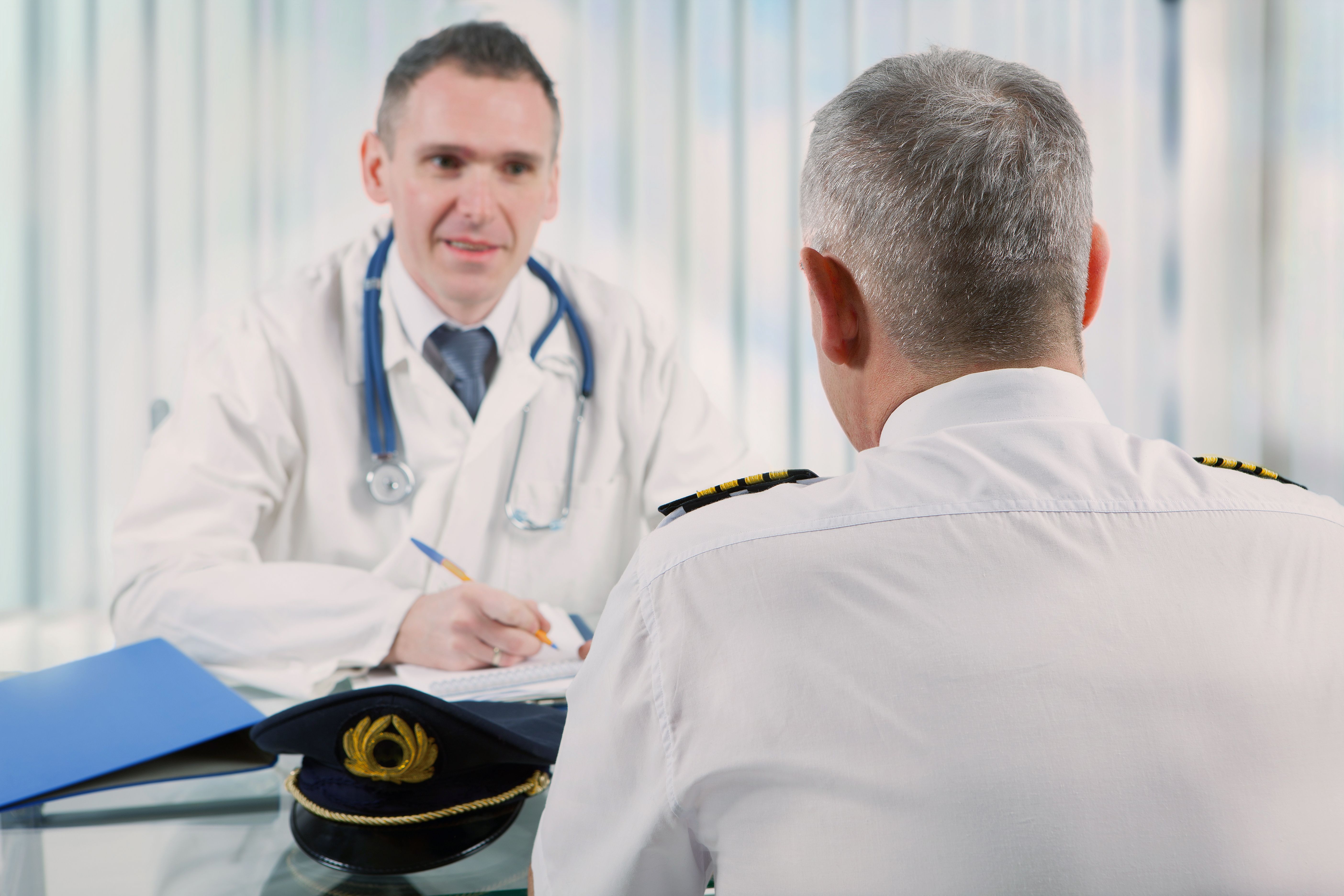
The first step is to meet the basic requirements. You need to be at least 17 years old and proficient in English. Additionally, you'll need to pass a medical exam to ensure you are fit to fly. This ensures that all pilots can handle the physical and mental demands of flying.
Once you've met these prerequisites, you'll choose a flight school. Researching various schools and instructors will help you find the right fit. Consider factors such as location, cost, and the type of aircraft used for training.
Ground School Training
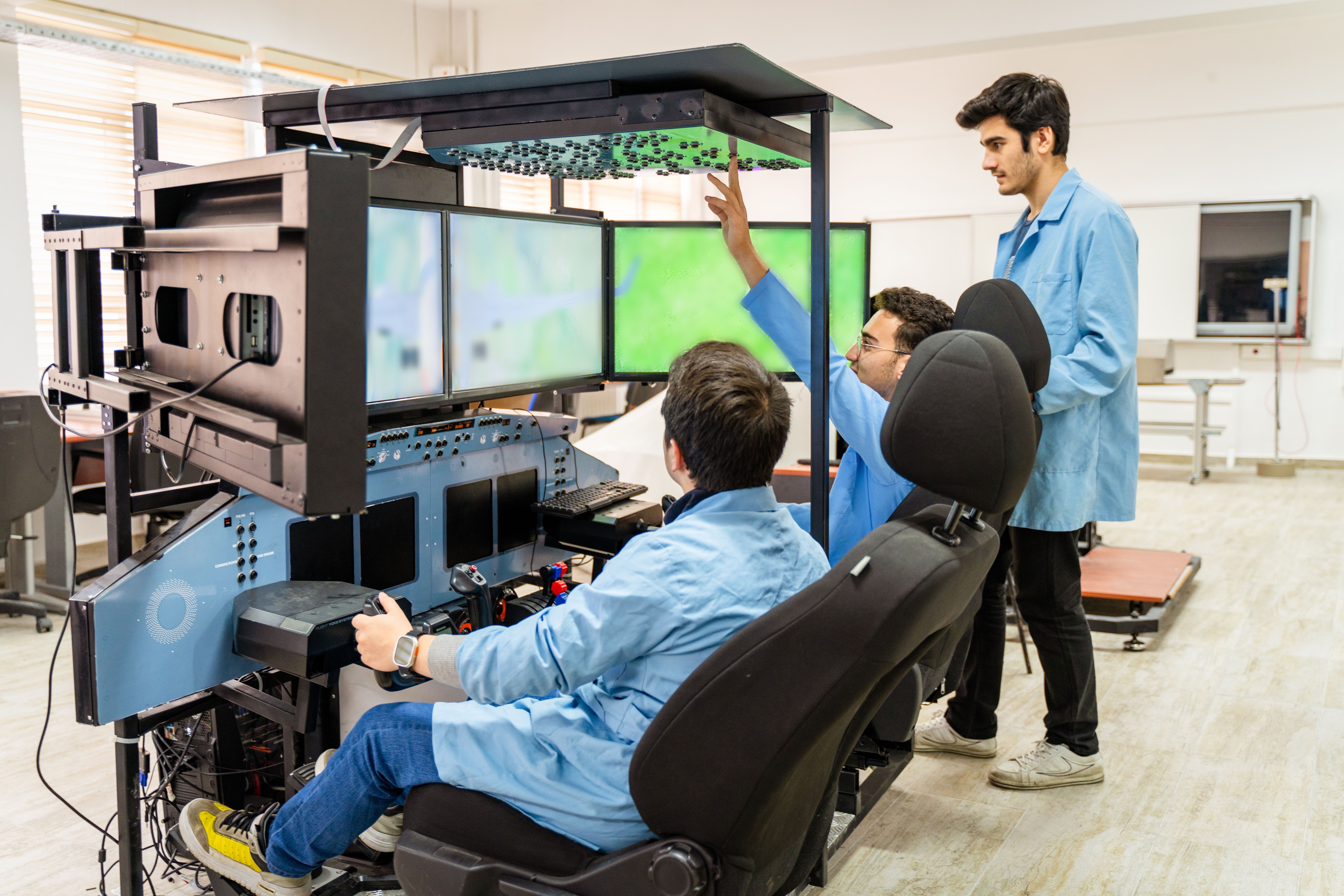
Ground school is where you'll learn the theoretical aspects of flying. This includes aerodynamics, weather patterns, navigation, and regulations. These classes prepare you for the FAA written exam, which you must pass before earning your license.
Ground school can be completed online or in a classroom setting. Choose the method that best suits your learning style and schedule. The knowledge gained here is crucial for safe flying and will be applied throughout your flying career.
Flight Training
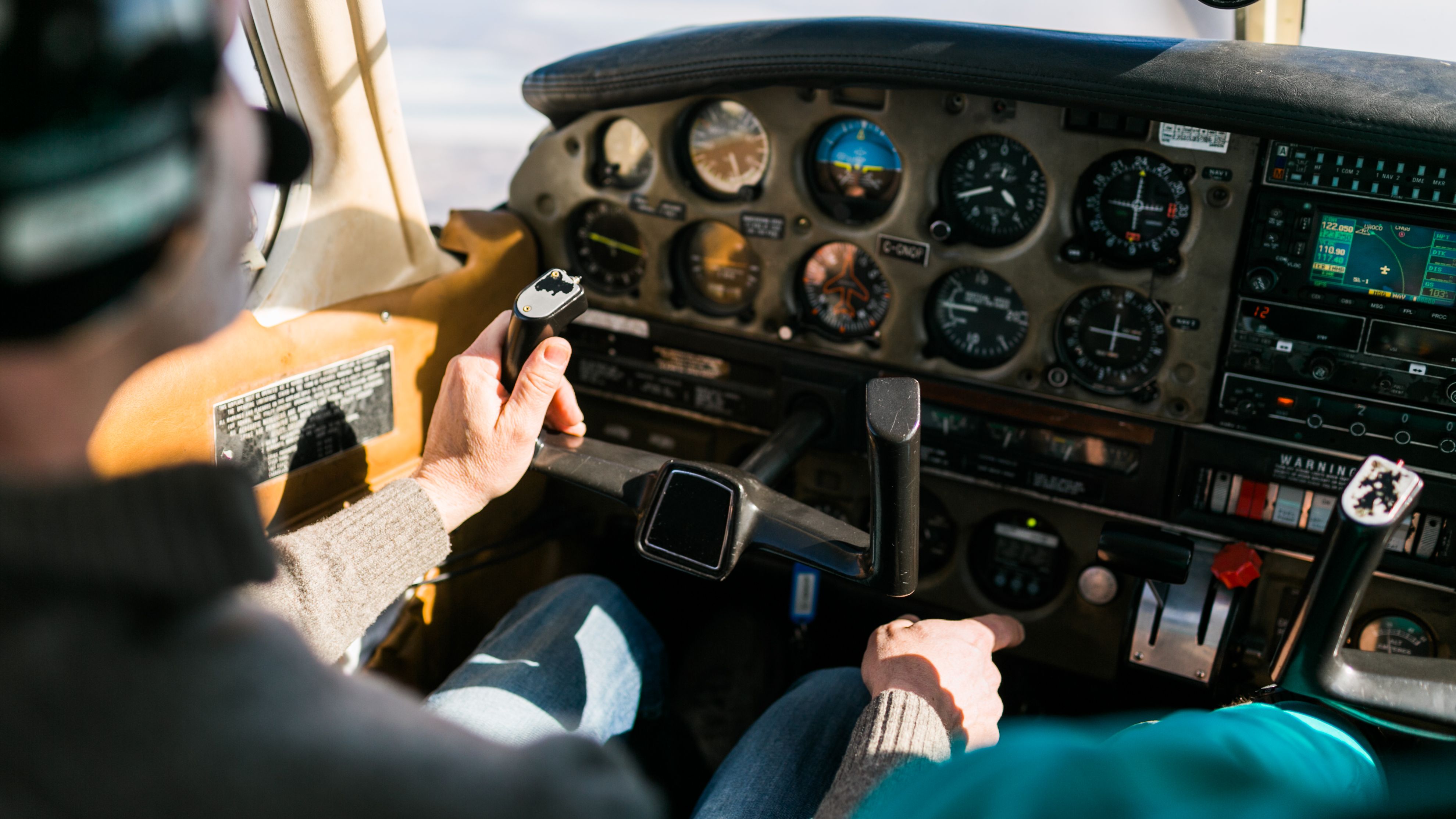
Flight training is where the real excitement begins. You'll spend at least 40 hours in the cockpit, including dual instruction and solo flights. During this time, you'll learn essential skills such as takeoffs, landings, and emergency procedures.
Your flight instructor will guide you through each lesson, ensuring you understand and master each skill. The feeling of taking control of an aircraft for the first time is unparalleled and marks a significant milestone in your training.

The Solo Flight
One of the most memorable moments in your training is your first solo flight. This is when you fly an aircraft without an instructor on board. Successfully completing a solo flight boosts your confidence and demonstrates your ability to handle an aircraft independently.
Solo flights are typically conducted after your instructor is confident in your ability to manage the aircraft safely. This experience is both empowering and exhilarating, marking a key achievement in your journey.
Preparing for the Checkride
The final step is the checkride, an exam with a designated pilot examiner. This includes an oral test and a practical flight test. The examiner will assess your knowledge, skills, and decision-making abilities.
Passing the checkride means you've met all the requirements to become a private pilot. It's a comprehensive test, but with thorough preparation and practice, you'll be ready to demonstrate your capabilities.
Celebrating Your Achievement
Earning your private pilot license is a remarkable achievement. It opens up a world of opportunities, from flying for leisure to pursuing further certifications. Celebrate this milestone and consider how you might continue to expand your skills and experiences in aviation.
The journey to becoming a private pilot is filled with challenges and rewards. Each step brings you closer to the freedom of the skies, making all the hard work worthwhile.