
Seasonal Flying Tips: Navigating Beaver Valley Skies Year-Round


Embrace the Changes of Each Season
Flying in Beaver Valley offers a unique experience throughout the year, with each season bringing its own set of challenges and beauty. Whether you're a seasoned pilot or a newcomer, understanding how to navigate these changes is crucial for a safe and enjoyable flight.
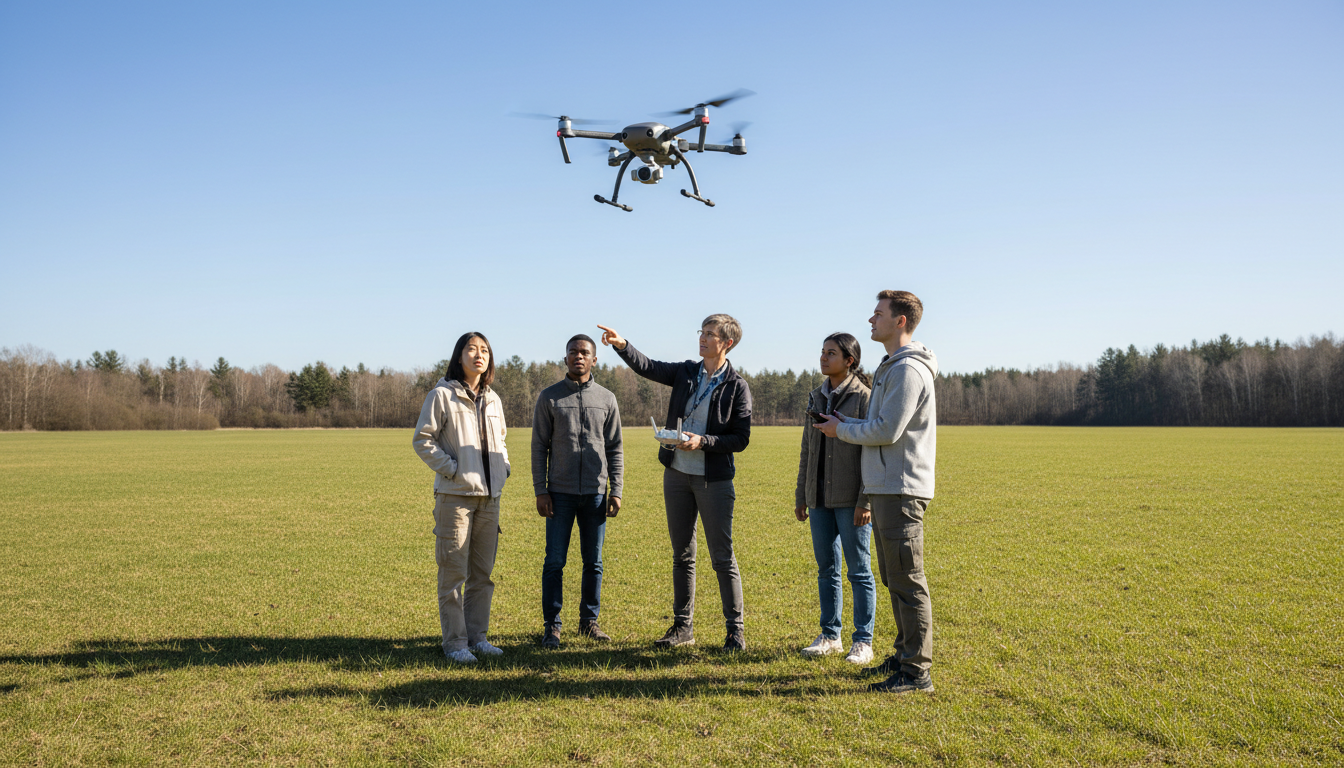
Springtime in Beaver Valley is a refreshing awakening. As the snow melts, pilots can enjoy clearer skies and vibrant landscapes. However, it's essential to keep an eye on the weather as spring showers can lead to sudden changes in visibility.
Spring Tips for Pilots
- Stay Updated: Regularly check weather forecasts to anticipate any sudden changes.
- Ensure aircraft maintenance is up-to-date after the winter months.
- Plan for potential rain and prepare alternate landing options.
Summer Flying: Embrace the Warmth
Summer is arguably the most popular time for flying in Beaver Valley. The long days and warm temperatures provide ideal conditions for extended flights. However, summer also brings its own challenges, such as increased air traffic and thermal activity.

To make the most of your summer flying adventures, it's important to plan ahead and consider factors like sun exposure and hydration, as well as understanding how thermal currents can affect your flight.
Summer Considerations
- Stay Hydrated: Bring plenty of water to stay hydrated during long flights.
- Be mindful of increased air traffic and plan routes accordingly.
- Understand thermal activity and how it affects your aircraft's performance.
Autumn Adventures in the Sky
As the leaves change color, so do the flight conditions in Beaver Valley. Autumn is a picturesque time to fly, with crisp air and stunning landscapes. However, shorter days and unpredictable weather can pose challenges.
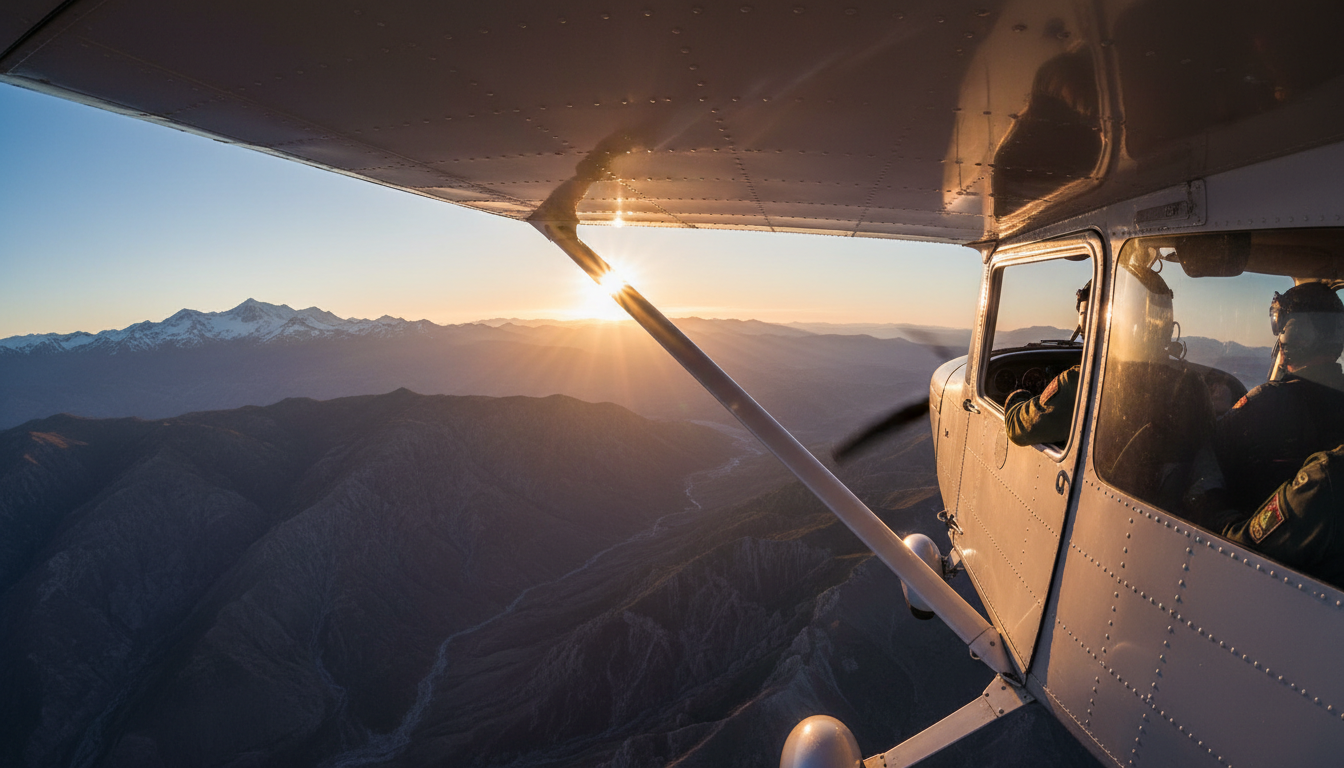
Pilots should be prepared for sudden temperature drops and varying visibility. Ensuring you have a flexible itinerary can make autumn flying both safe and rewarding.
Autumn Flying Strategies
- Monitor Sunset Times: Plan flights to ensure you have ample daylight.
- Dress in layers to adapt to changing temperatures.
- Be prepared for foggy mornings and reduced visibility.
Winter: Navigating the Chill
Winter flying in Beaver Valley offers serene, snow-covered landscapes, but it's not without its difficulties. Ice and snow can affect your aircraft, and shorter daylight hours mean careful planning is essential.

It's crucial to check runway conditions regularly and ensure your aircraft is equipped for colder weather. With proper preparation, winter flights can be a breathtaking experience.
Winter Safety Tips
- Check Runway Conditions: Ensure runways are clear of ice and snow before takeoff.
- Use anti-icing equipment and understand its operation.
- Plan for shorter daylight hours and have alternate plans ready.
Flying in Beaver Valley year-round provides diverse experiences and stunning views. By understanding the seasonal challenges and preparing accordingly, pilots can enjoy safe and memorable adventures in the sky.