
Seasonal Flying in Beaver Valley: Preparing for Different Weather Conditions


Understanding Seasonal Changes
Flying in Beaver Valley offers breathtaking views and unique experiences throughout the year. However, the changing seasons require pilots to adapt to varying weather conditions. Understanding these seasonal changes is crucial for safe and enjoyable flights.

Spring: Navigating Unpredictable Weather
Spring in Beaver Valley is a time of renewal, but it also brings unpredictable weather patterns. Pilots should be prepared for sudden rain showers and fluctuating temperatures. It’s essential to keep an eye on weather forecasts and be ready for quick changes.
During this season, ensure your aircraft is equipped for wet conditions. Check seals and ensure that all instruments are functioning correctly. A pre-flight inspection is more important than ever in spring.
Summer: Dealing with Heat and Visibility
Summer offers clear skies and excellent flying conditions, but the heat can present challenges. High temperatures can affect air density, impacting aircraft performance. Pilots should be aware of how their aircraft handles in hotter weather.

Additionally, summer haze can reduce visibility. It's important to plan flights during cooler parts of the day, like early morning or late afternoon, to avoid the worst of the heat and visibility issues.
Autumn: Enjoying Crisp Air and Vivid Views
Autumn is a favorite for many pilots due to the stunning fall foliage. The crisp air provides excellent lift and visibility. However, autumn also brings the risk of foggy mornings and earlier sunsets.
Prepare for these conditions by scheduling flights during daylight hours and being ready for potential fog banks. Regular updates from weather stations can help in avoiding unexpected surprises.

Winter: Confronting Snow and Ice
Winter flying in Beaver Valley can be magical, with snow-covered landscapes creating an enchanting view. However, snow and ice pose significant challenges. Pilots need to ensure their aircraft is properly de-iced and that runways are clear.
Winter weather can change rapidly, so constant monitoring of forecasts is vital. Additionally, understanding how to handle crosswinds and slippery runways is essential for winter flights.
Preparing Your Aircraft for Seasonal Changes
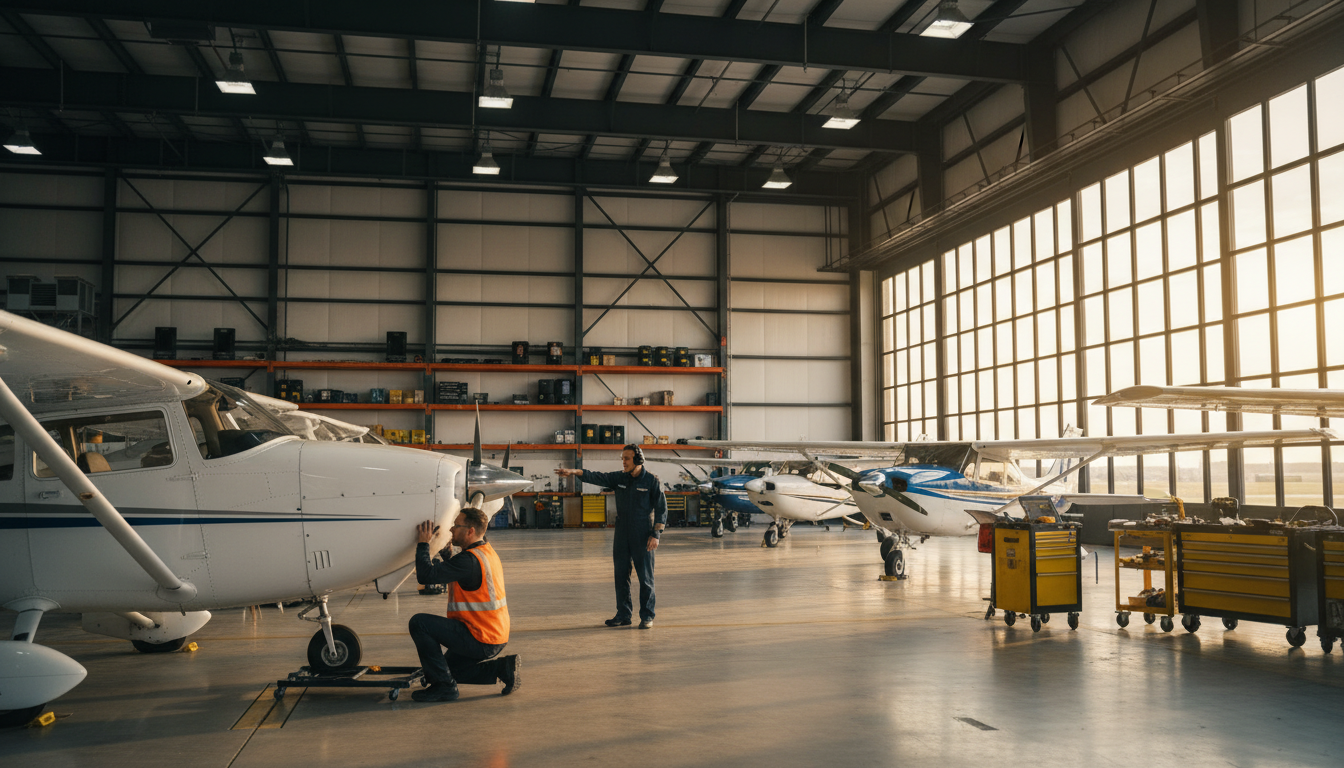
Regardless of the season, maintaining your aircraft is key to ensuring safety. Here are some tips to prepare for different weather conditions:
- Regular Maintenance: Ensure all systems are checked and functional.
- Weather Gear: Equip your aircraft with necessary gear for rain, snow, or heat.
- Emergency Kits: Always have an emergency kit on board, tailored to the season.
Final Thoughts on Seasonal Flying
Flying in Beaver Valley throughout the year is an experience like no other. The diverse weather conditions present both challenges and opportunities for pilots. By understanding and preparing for these seasonal changes, you can ensure a safe and enjoyable flight every time.
Whether you’re a seasoned pilot or a newcomer, embracing the beauty and complexity of Beaver Valley’s weather can enhance your flying experience. Stay informed, stay prepared, and enjoy the skies!