
Preparing for Your First Solo Flight: Tips and Tricks


Understanding the Basics
Preparing for your first solo flight is an exciting milestone in your aviation journey. It's not just about flying alone; it's about building confidence and trust in your skills. Before you take off, ensure you have a thorough understanding of the aircraft and its controls. Familiarize yourself with the cockpit, instruments, and navigation systems.
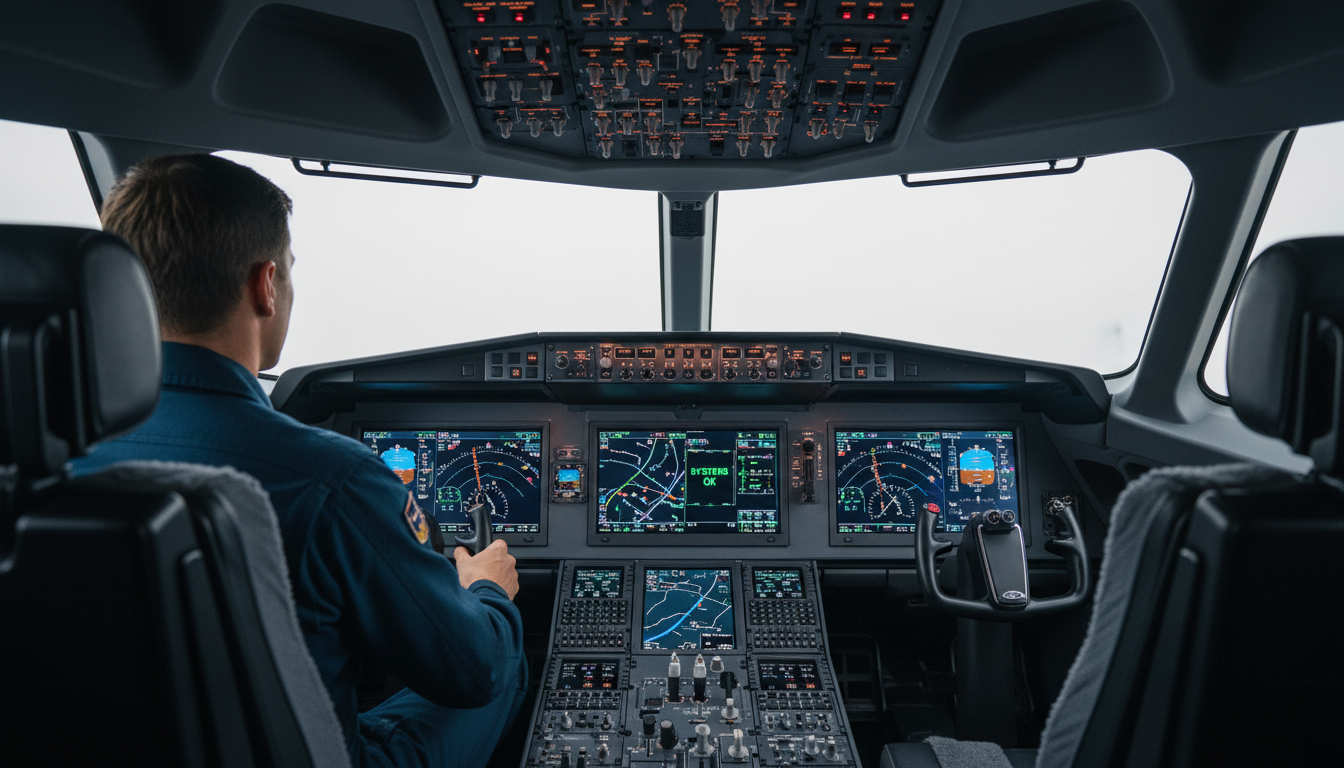
Review your flight training materials and go over your checklist multiple times. This preparation will help you manage the aircraft effectively and respond to any unexpected situations. Remember, confidence comes from preparation and practice.
Weather Considerations
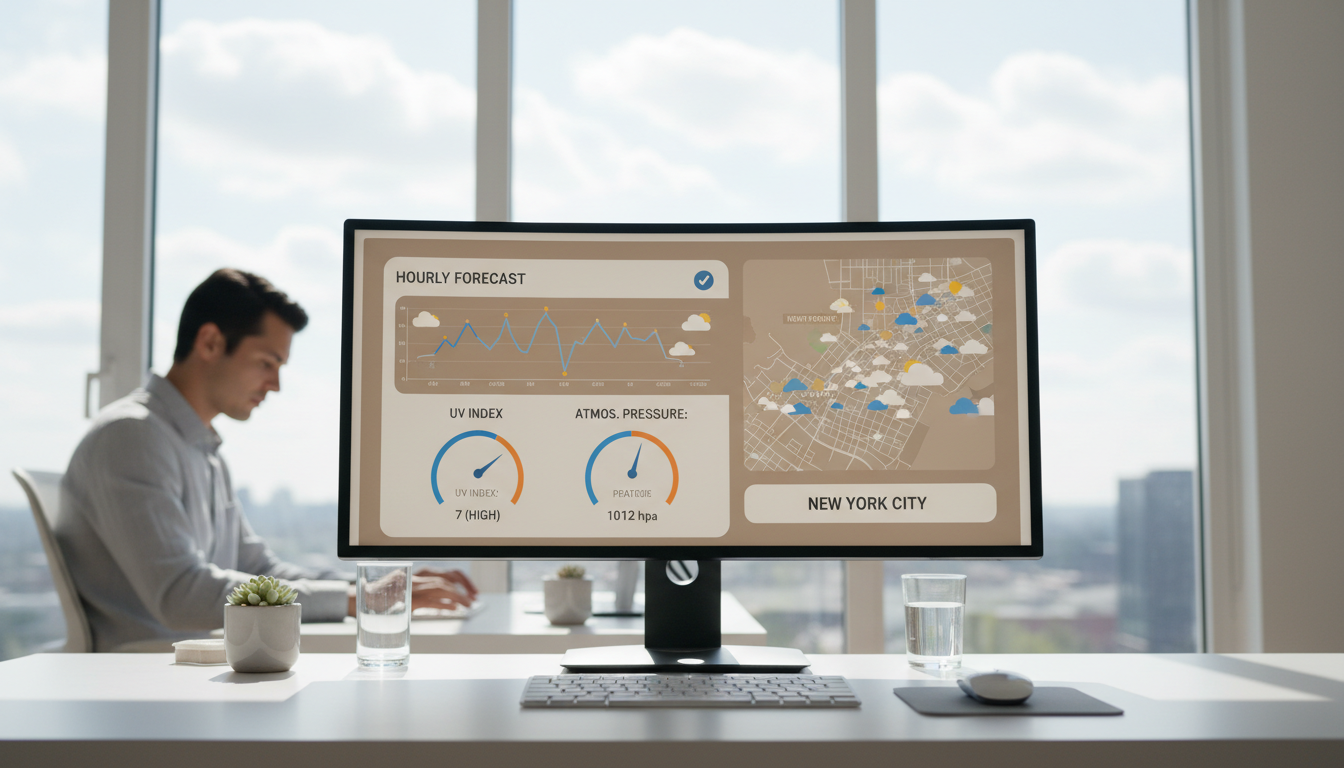
Weather plays a crucial role in flight safety. Before your solo flight, check the weather forecasts for the day. Look out for wind conditions, visibility, and any potential weather changes. It's advisable to choose a day with calm weather conditions for your first solo experience.
Consult with your instructor and discuss any weather-related concerns. They can provide valuable insights and tips on how to handle different weather scenarios. Being prepared for weather variations will enhance your confidence and ensure a smoother flight.
Pre-Flight Checks
Conducting thorough pre-flight checks is essential to ensure the safety of your flight. Start with an extensive walk-around of the aircraft, inspecting the airframe, propeller, and control surfaces. Make sure there are no visible damages or obstructions.
Check the fuel and oil levels, as well as the general condition of the engine. Testing the communication and navigation systems is also crucial. A comprehensive pre-flight check will help you identify any issues before they become problems in the air.
Managing Nerves
It's natural to feel nervous before your first solo flight. To manage these nerves, practice relaxation techniques such as deep breathing or visualization. Remind yourself of the training and preparation you've undergone. Trust in your skills and the rigorous process that has brought you to this point.

Speak with your instructor and peers about their first solo experiences. Hearing their stories and advice can provide reassurance and boost your confidence. Remember, every pilot has been in your shoes, and they've all succeeded.
Flight Execution
Once you're in the air, focus on your training. Stick to your flight plan and maintain communication with air traffic control. Keep your eyes on the instruments and regularly check your position and altitude. Stay alert and continuously scan the skies for other aircraft.
Landing is one of the most critical phases of your flight. Approach confidently, follow your training, and trust your instincts. If at any point you feel unsure, don't hesitate to execute a go-around and try again. Safety is always the priority.
Post-Flight Reflection
After your flight, take some time to reflect on the experience. Analyze what went well and identify areas for improvement. Discuss your flight with your instructor, who can provide valuable feedback and insights.

Celebrate your achievement! Completing your first solo flight is a significant accomplishment and a step closer to becoming a licensed pilot. Use this experience as a foundation to build your skills and confidence in future flights.