
Pilot Training in Chippewa Township: What You Need to Know


For aspiring pilots in Chippewa Township, embarking on the journey of flight training is an exciting and rewarding endeavor. Whether you dream of flying commercial airliners or simply want to experience the thrill of flight, understanding the process is crucial. This guide will walk you through what you need to know about pilot training in this region.
Choosing the Right Flight School
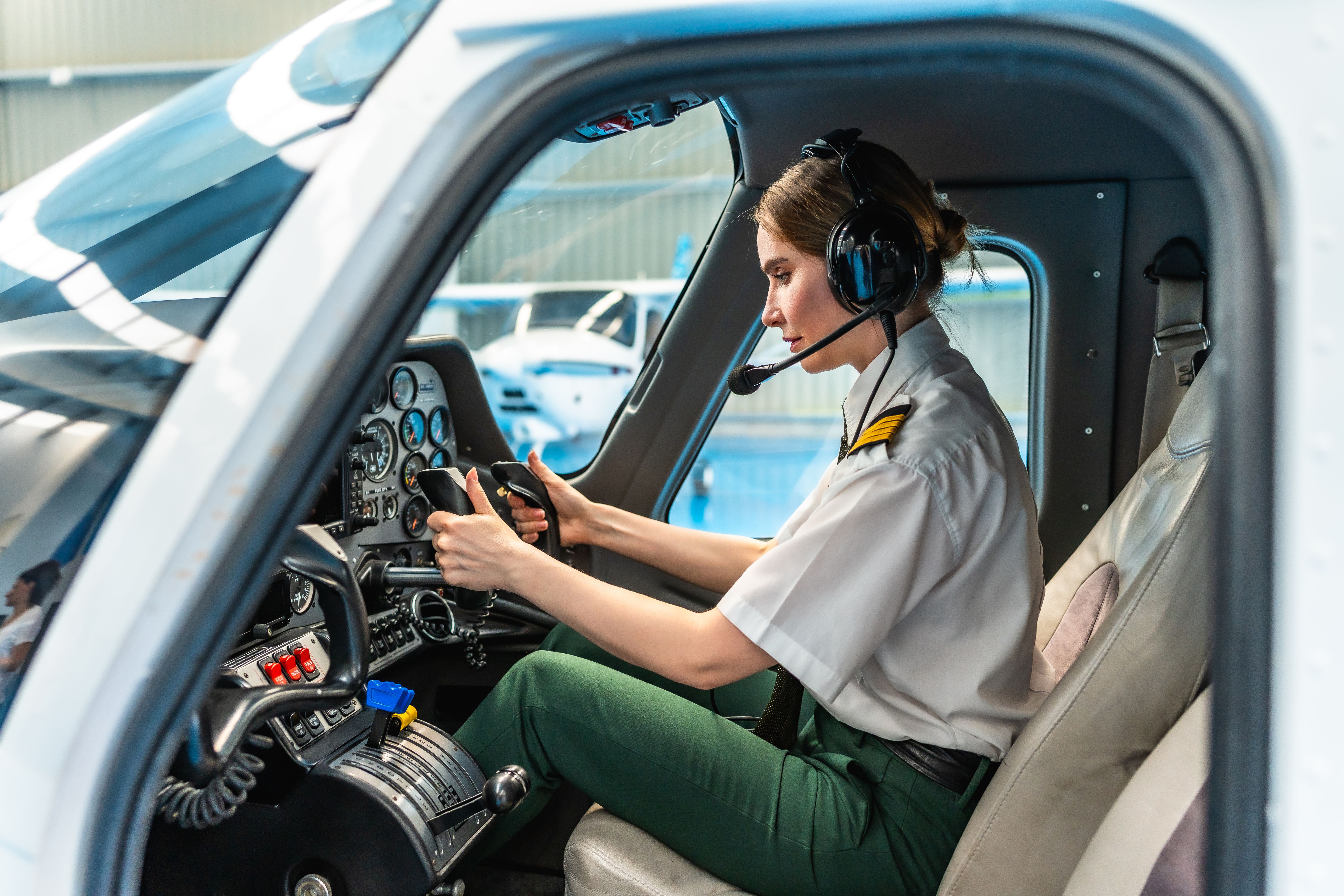
The first step in your pilot training journey is selecting the right flight school. Chippewa Township offers several reputable options, each with unique benefits. Consider factors such as location, cost, and the fleet of aircraft available for training. Visiting schools and asking questions can help you make an informed decision.
Look for schools with experienced instructors, a strong safety record, and a curriculum that matches your learning style. It's also wise to explore reviews and testimonials from former students to gauge their experiences.
Types of Pilot Licenses
There are different types of pilot licenses available, depending on your goals:
- Private Pilot License (PPL): Allows you to fly for personal leisure and transport.
- Commercial Pilot License (CPL): Enables you to earn money as a pilot.
- Instrument Rating (IR): Allows flying in various weather conditions.
Each license has its own set of requirements and training hours, so it's essential to choose based on your aviation career aspirations.
Understanding the Training Process
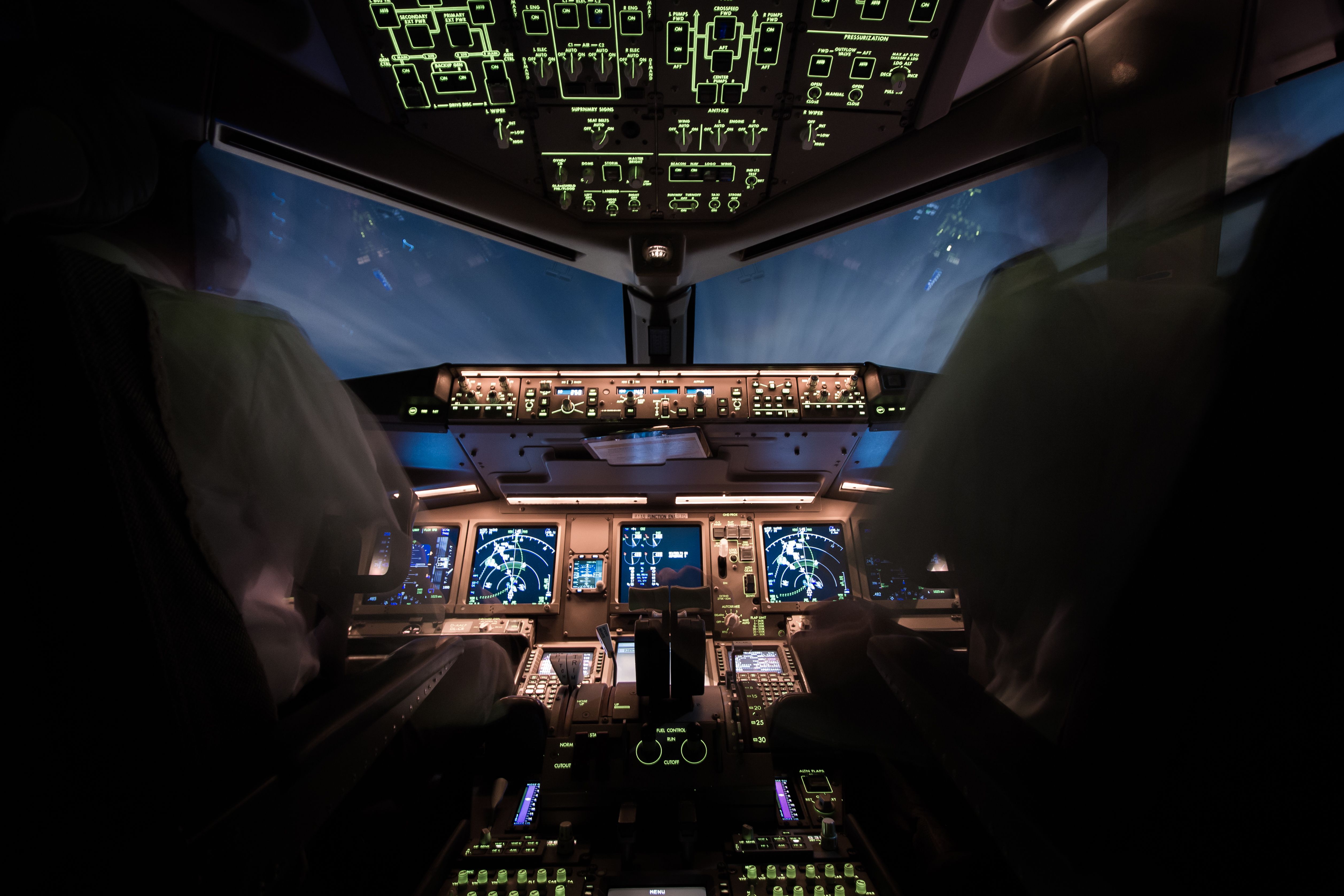
Pilot training typically involves both ground school and flight instruction. Ground school covers the theoretical aspects of flying, such as navigation, meteorology, and aviation regulations. Flight instruction involves hands-on learning in the cockpit, where you'll gain practical experience.
Plan to invest a significant amount of time and effort. Consistency is key, and regular flying can help you retain what you learn and build confidence.
Medical and Physical Requirements
Before you begin, you'll need to meet certain medical and physical requirements. A medical exam by an Aviation Medical Examiner (AME) is mandatory to ensure you're fit to fly. This exam checks your vision, hearing, and overall health.
Maintaining good health and fitness will not only help you pass your medical exam but also enhance your ability to handle the physical demands of flying.

Cost and Financing Options
Flight training can be a significant financial investment. Costs vary depending on the type of license you pursue and the flight school you choose. It's important to budget accordingly and explore financing options, such as loans or scholarships, to help manage expenses.
Some flight schools offer payment plans that can ease the financial burden, allowing you to focus more on your training.
Career Opportunities
Upon completion of your training, a multitude of career opportunities await. Whether you wish to become a commercial airline pilot, a flight instructor, or pursue roles in corporate aviation, the skills you gain will open many doors.
Networking with industry professionals and joining aviation organizations can further enhance your career prospects and keep you informed about job openings and advancements in the field.
Embarking on pilot training in Chippewa Township is a thrilling adventure that promises not only personal fulfillment but also a world of professional opportunities. With the right preparation and dedication, the sky is truly the limit.