
Learn to Fly in Chippewa Township: Your First Steps to Becoming a Pilot


Imagine soaring above the picturesque landscapes of Chippewa Township, feeling the freedom of the skies. Learning to fly is an exhilarating journey that opens up a world of possibilities. If you've ever dreamed of becoming a pilot, this guide will help you take your first steps.
Understanding the Basics
Before embarking on your flight training, it's essential to understand the basic requirements. Aspiring pilots must be at least 17 years old and possess a valid medical certificate. Additionally, you’ll need to be proficient in English to ensure clear communication with air traffic control.
There are various types of pilot licenses, but most students begin with a Private Pilot License (PPL). This license allows you to fly single-engine aircraft for personal use and is the foundation for more advanced certifications.
Selecting a Flight School
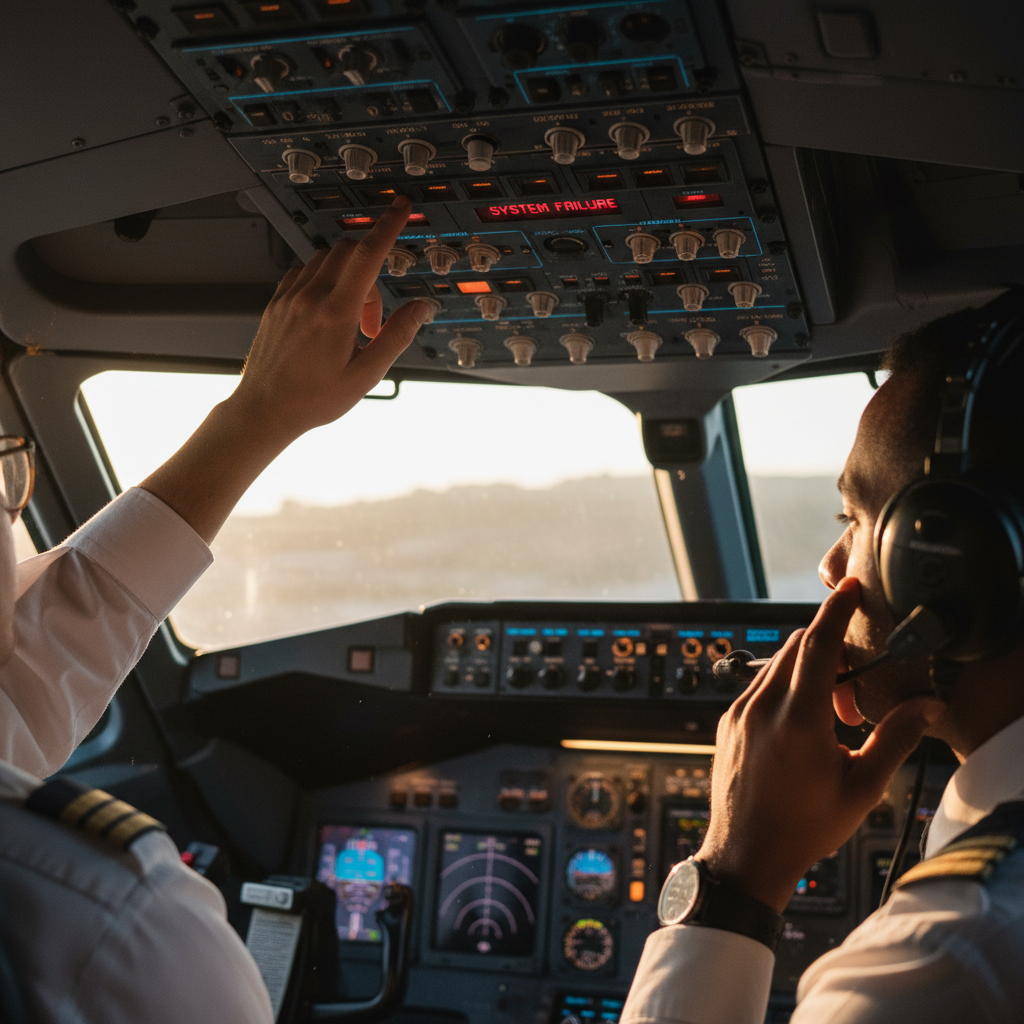
Choosing the right flight school is crucial for your success. Look for schools with certified instructors, a good safety record, and well-maintained aircraft. Visiting the school, meeting instructors, and asking questions can help you make an informed decision.
Consider factors such as training costs, location, and class schedules. Some schools offer flexible programs that can accommodate your personal commitments.
Starting Your Training
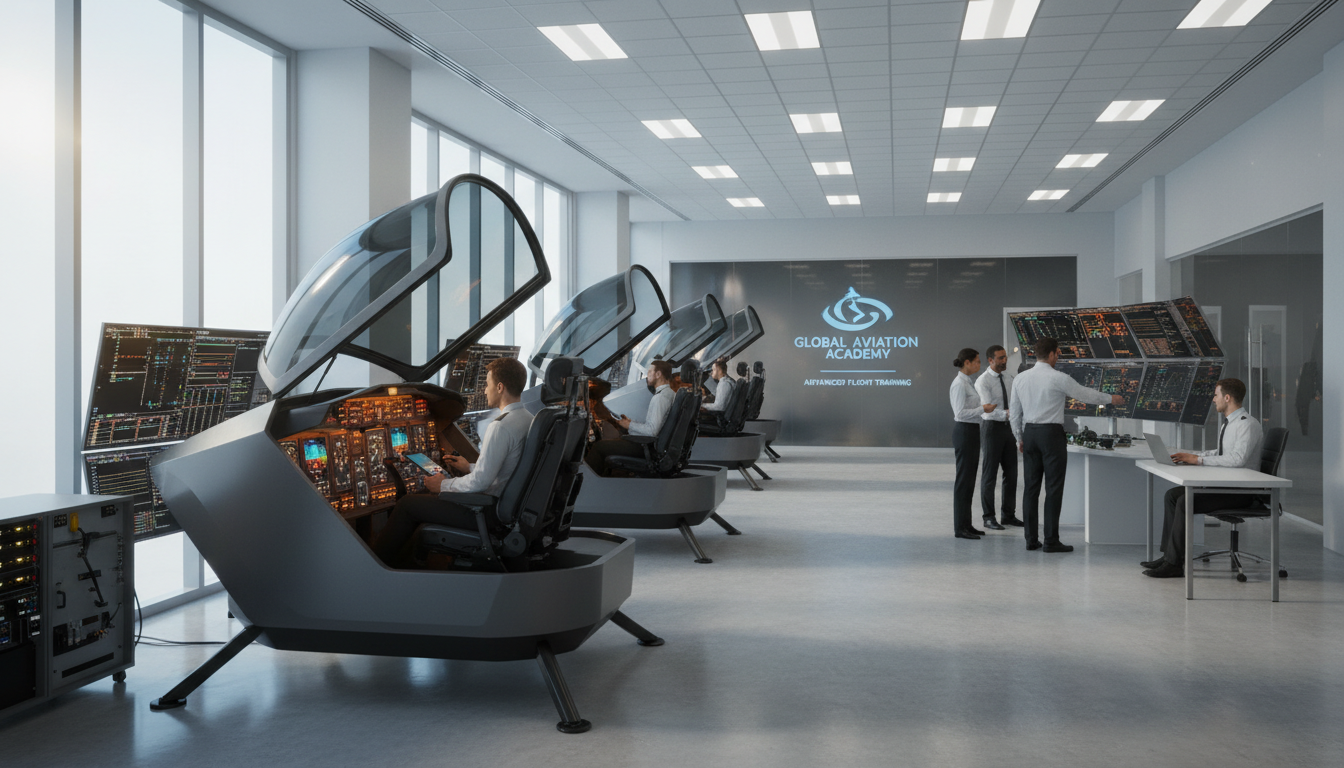
Once you've chosen a flight school, you’ll begin with ground training. This includes learning aviation theory, navigation, meteorology, and regulations. Ground school prepares you for the written exam required for your pilot license.
Practical flight training involves hands-on experience in the cockpit. You’ll learn essential skills like takeoff, landing, and emergency procedures under the guidance of your instructor.
Building Flight Hours
To obtain your Private Pilot License, you must log a minimum number of flight hours. This typically includes solo flights, cross-country flying, and night flying. Building these hours is a gradual process that enhances your confidence and proficiency.
Maintaining a flight logbook is essential. It records your flight hours, experiences, and progress, serving as an official document for your license application.
Passing the Exams
Completing your flight training involves passing both a written exam and a practical flight test. The written exam tests your knowledge of aviation theory, while the practical exam assesses your flying skills and ability to handle various scenarios.
Studying thoroughly and practicing regularly with your instructor will prepare you for these assessments. Many students find that a combination of study groups and simulator sessions aids in their preparation.
Taking to the Skies
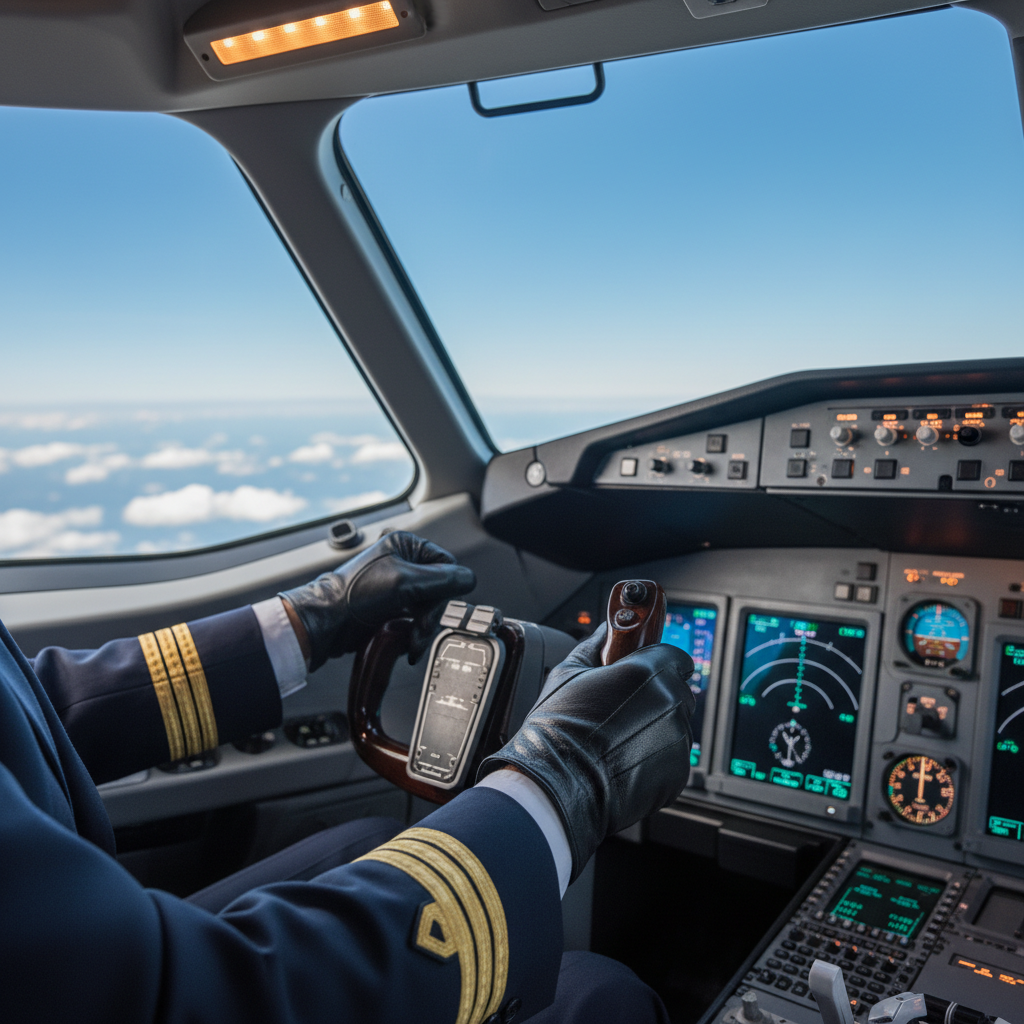
Once you've earned your Private Pilot License, the sky is truly the limit. You can explore new destinations, take friends and family on flights, and even pursue advanced certifications like an Instrument Rating or Commercial Pilot License.
Becoming a pilot in Chippewa Township is not just about flying; it’s about joining a community of aviation enthusiasts. Engage with local flying clubs and events to continue learning and sharing your passion with others.
Embark on this incredible journey, and experience the unparalleled joy of flight. The adventure of a lifetime awaits, and it begins with your first step into the cockpit.