
How to Obtain Your Private Pilot License in Chippewa Township


Understanding the Basics
Obtaining your private pilot license (PPL) in Chippewa Township is an exciting journey that opens the skies to endless possibilities. Whether you're passionate about aviation or seeking a new hobby, a PPL is your gateway to flying small aircraft.
Before diving into flight training, it's essential to understand the requirements. You must be at least 17 years old, able to read, speak, and understand English, and hold at least a third-class medical certificate. These prerequisites ensure that you are prepared for the responsibilities of piloting an aircraft.
Choosing a Flight School
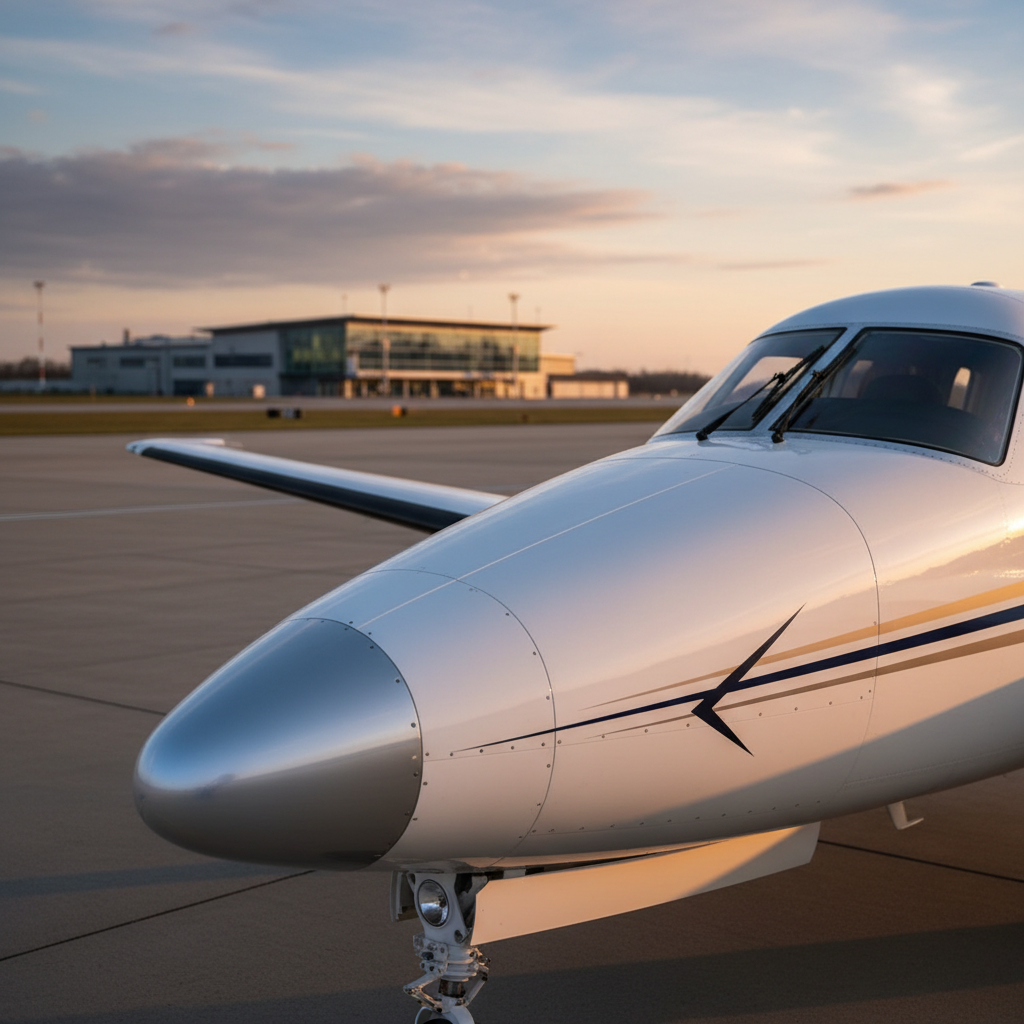
Chippewa Township offers several reputable flight schools. Researching and selecting the right school is crucial for your success. Consider factors such as the school's reputation, the experience of the instructors, and the condition of the aircraft. It's also beneficial to visit the schools, meet the instructors, and perhaps even take an introductory flight lesson.
Once you’ve chosen a school, you’ll need to enroll in a ground school course. This course covers essential topics such as air traffic control procedures, navigation, and weather, providing the foundational knowledge needed for flying.
Flight Training
Flight training typically involves both dual and solo flights. You will start with dual flights, where an instructor accompanies you, guiding you through the basics of flying. As you gain confidence and experience, you'll progress to solo flights.
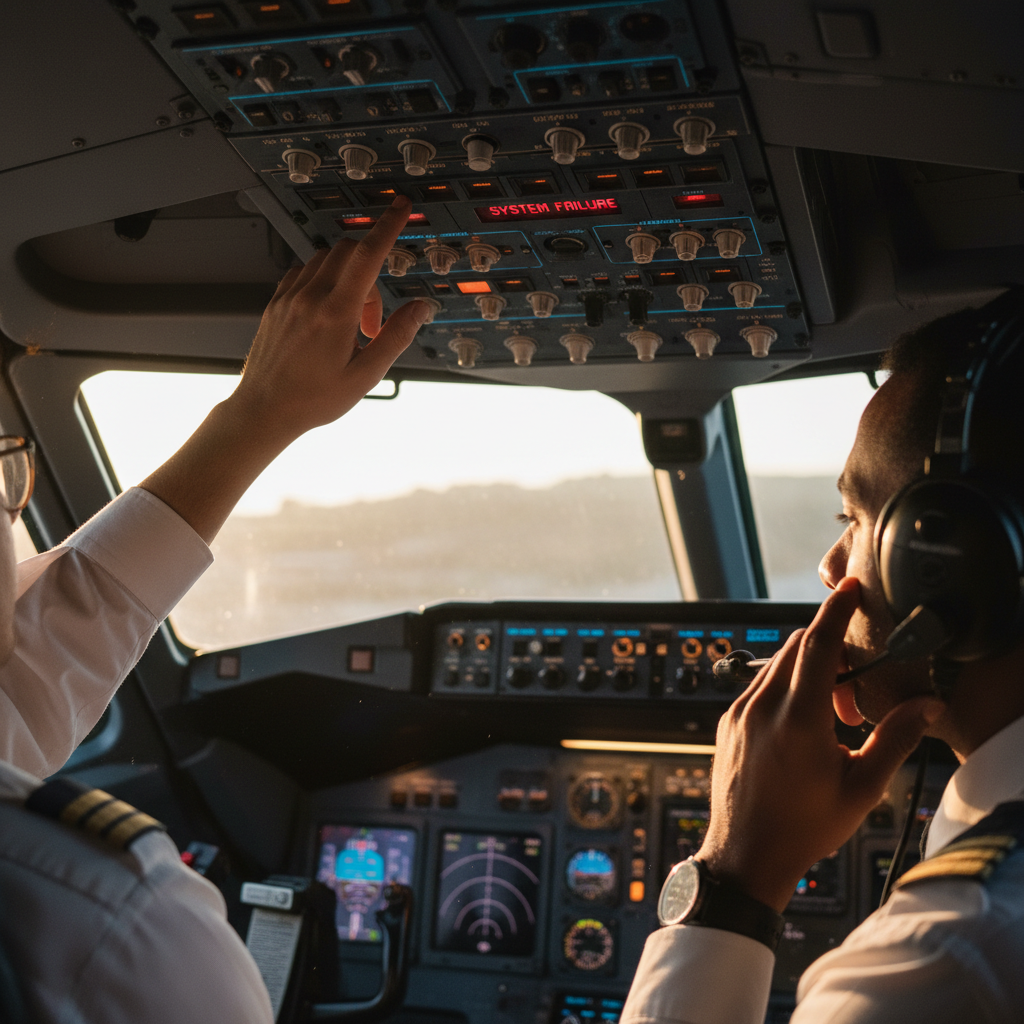
Most students require around 40 to 70 hours of flight time to be ready for their PPL exam. During this time, you'll learn maneuvers, takeoffs and landings, and emergency procedures. Regular practice and dedication are key to mastering these skills.
Passing the Exams
To obtain your PPL, you'll need to pass both a written knowledge test and a practical flight test. The written test assesses your understanding of the theoretical aspects of aviation. It’s a good idea to use study guides and take practice exams to prepare.
The practical test, often called a checkride, involves an oral examination and a flight test with an FAA examiner. This test evaluates your ability to apply your knowledge and skills in real flying situations.
Costs and Financing
Becoming a private pilot requires a financial investment. Costs can vary depending on the school and the number of flight hours needed. It's important to budget for tuition, study materials, flight time, and exam fees. Some schools offer financing options or scholarships, so inquire about these opportunities.
Ultimately, the investment is worthwhile for the freedom and adventure that flying provides. With careful planning and commitment, you can make your dream of flying a reality.
Continuing Your Aviation Journey
After obtaining your private pilot license, a world of opportunities awaits. You might choose to pursue additional certifications, such as an instrument rating or a commercial pilot license. These advancements can expand your flying capabilities and open new career paths in aviation.
Flying in and around Chippewa Township offers stunning views and thrilling experiences. Whether you're flying for pleasure or embarking on a new career, your private pilot license is just the beginning of your aviation adventure.