
Flying in Beaver Valley: Navigating Local Weather Challenges


Flying in Beaver Valley offers breathtaking views and unique opportunities, but it also comes with its own set of challenges, particularly when it comes to navigating local weather conditions. Understanding these challenges is crucial for any pilot planning to take to the skies in this picturesque region.
Understanding Beaver Valley's Weather Patterns
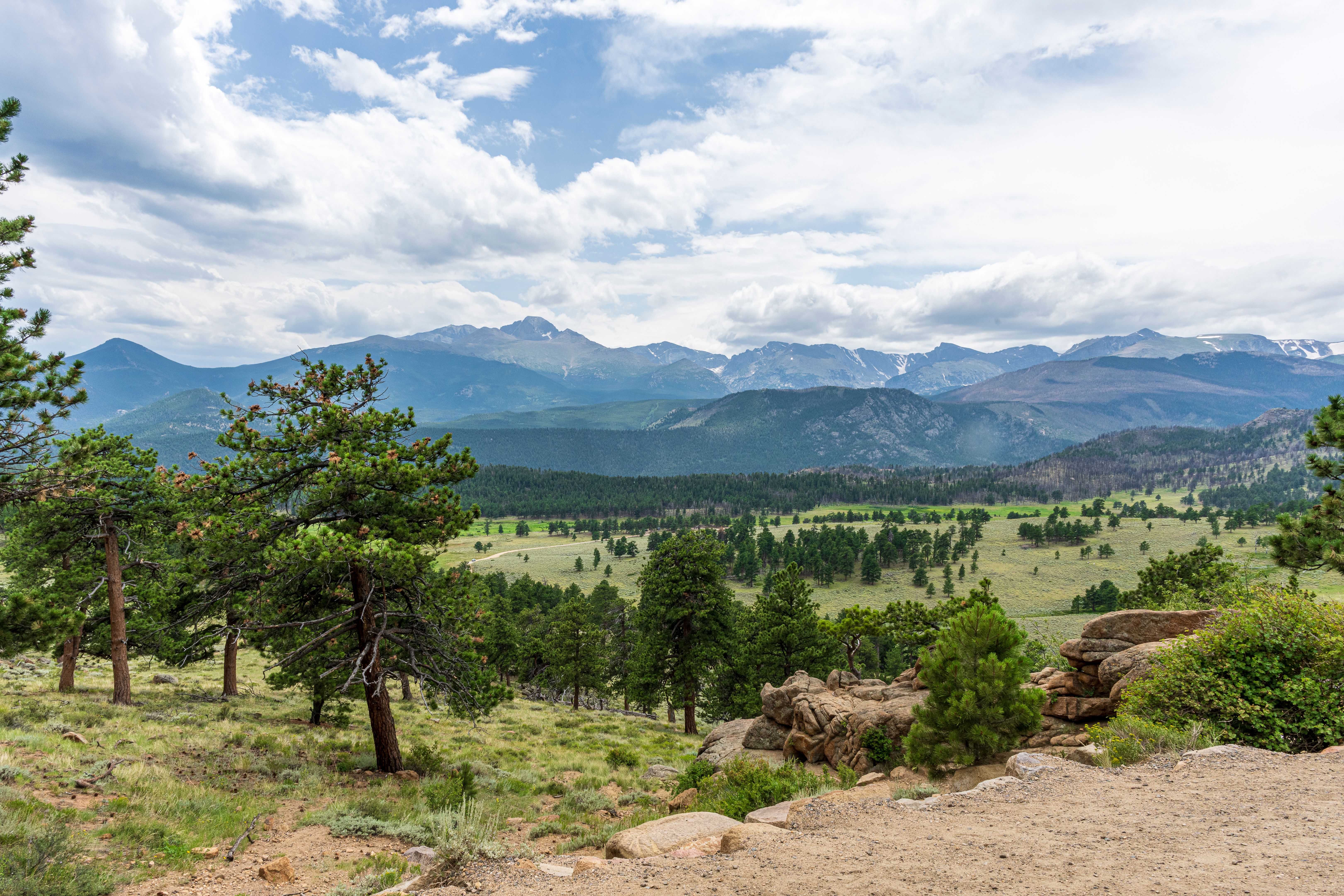
The weather in Beaver Valley can be quite unpredictable due to its unique geographical features. The valley's surrounding mountains and dense forests create microclimates that can lead to sudden changes in weather, making it essential for pilots to be well-prepared and informed about local conditions.
One of the most significant factors affecting weather in Beaver Valley is the presence of temperature inversions. This occurs when a layer of warm air traps cooler air close to the ground, leading to fog and low visibility. Pilots must be adept at reading weather forecasts and understanding how these inversions can impact flight plans.
Preparing for Flight
Preparation is key when flying in Beaver Valley. Pilots should start by checking weather forecasts from reliable sources, paying close attention to any warnings or advisories. It's also wise to have a backup plan in case the weather takes an unexpected turn.
Having the right equipment on board is crucial. This includes having a GPS system, communication devices, and updated charts. Additionally, pilots should ensure their aircraft is well-maintained and equipped to handle potential weather-related challenges.
Strategies for Navigating Weather Challenges
When dealing with the unique weather challenges of Beaver Valley, having a set of strategies can make all the difference. Here are some tips to keep in mind:
- Stay Informed: Regularly update yourself with the latest weather information before and during your flight.
- Altitude Adjustment: Use altitude adjustments to avoid turbulence and adverse weather conditions.
- Visual Flight Rules (VFR): Ensure conditions meet the VFR requirements to keep visibility clear.

Emergency Preparedness
Despite the best preparations, emergencies can still occur. Pilots should be trained in emergency protocols specific to Beaver Valley's terrain and weather. This includes understanding the best places for emergency landings and knowing how to communicate effectively with local air traffic control.
In addition, having an emergency kit on board with essentials like first-aid supplies, food, water, and signaling devices can be life-saving in unexpected situations.
Community and Networking
Connecting with the local flying community can provide invaluable insights and support. Joining local aviation clubs or online forums dedicated to Beaver Valley flying can help pilots share experiences, tips, and updates on weather conditions.

By working together and sharing knowledge, pilots can enhance safety and enjoyment when flying in Beaver Valley. The support of fellow pilots can also offer reassurance and guidance when navigating the region’s unique weather challenges.
In conclusion, flying in Beaver Valley is a rewarding experience that requires careful preparation and knowledge of local weather conditions. By staying informed, prepared, and connected with the community, pilots can safely enjoy the beauty of this stunning region.