
Common Misconceptions About Learning to Fly in Beaver Valley


Understanding the Basics of Flight Training
Learning to fly is an exhilarating journey, but there are many misconceptions about what it entails, especially in Beaver Valley. It's essential to understand the basics before diving into pilot training. Many people assume that becoming a pilot is only for the wealthy or those with a technical background. However, flying is more accessible than you might think, with various training programs and financial aids available.
The first step in flight training is understanding the different types of pilot licenses. Whether you're interested in a private pilot license or a commercial one, each comes with its own set of requirements and training hours. It's crucial to research and choose the right path based on your goals.

Time Commitment and Flexibility
A common misconception is that learning to fly requires a full-time commitment. In reality, flight schools in Beaver Valley offer flexible scheduling options to accommodate students who work or attend school. You can choose to train part-time or full-time, depending on your availability.
Another aspect to consider is the time it takes to complete training. While some believe it takes years to become a pilot, many students can obtain their private pilot license in as little as six months with consistent training. Regular practice and dedication are key factors in accelerating your progress.
Cost and Affordability
The cost of flight training often deters potential students, as many assume it's prohibitively expensive. However, aspiring pilots should consider the long-term benefits and potential career earnings. Flight schools often provide financing options, scholarships, and payment plans to make the process more affordable.
Additionally, renting aircraft and paying instructor fees are typically the main expenses. It's wise to compare costs among different flight schools in Beaver Valley to find a program that fits your budget. Investing in flight training is a step towards a rewarding career in aviation.

The Role of Technology in Training
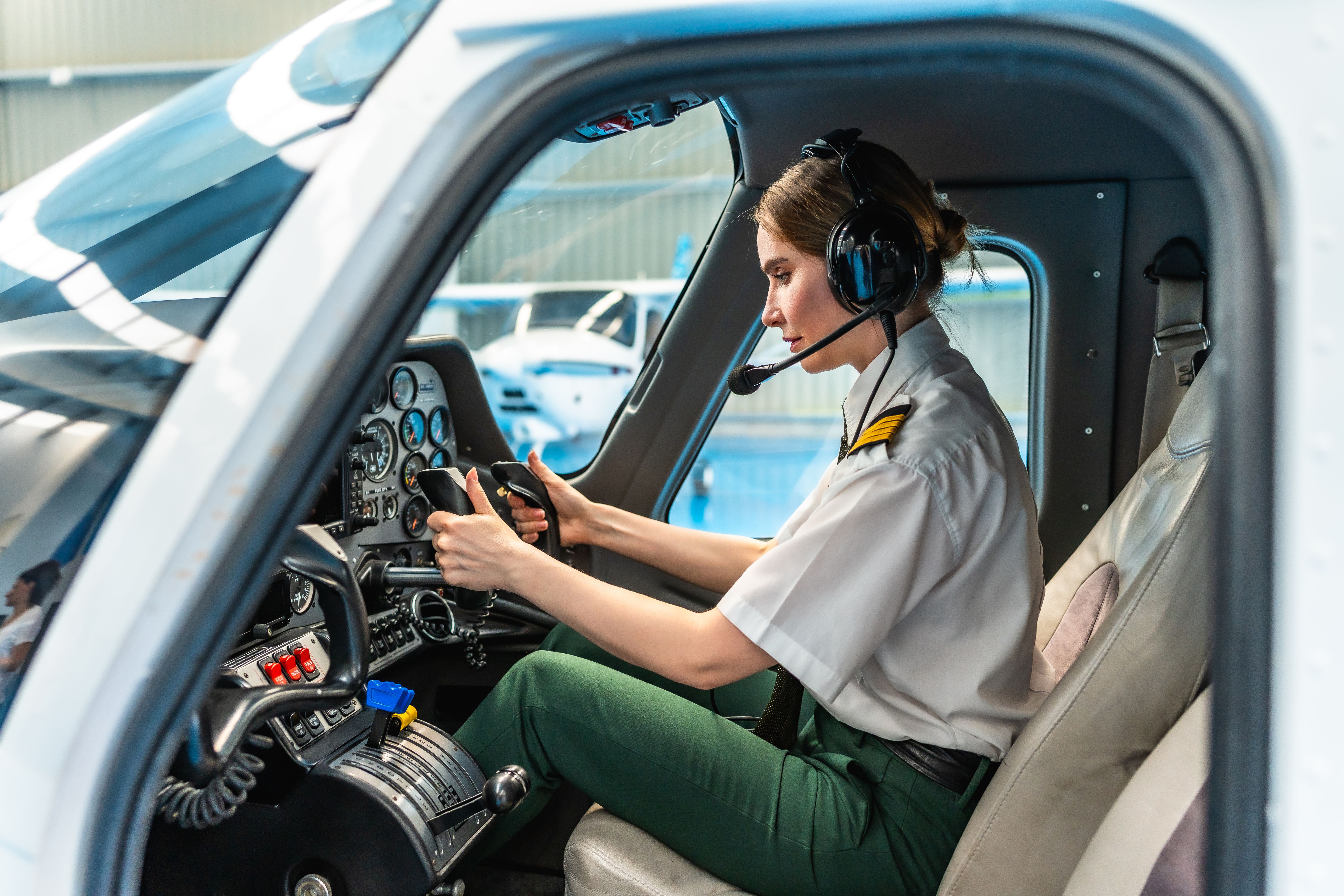
Another misconception is that flight training is outdated and lacks modern technology. In fact, many flight schools incorporate advanced simulators and GPS technology into their programs. These tools provide a realistic flying experience and help students become proficient in handling various flying conditions.
Embracing technology in training not only enhances pilot skills but also ensures safety. Beaver Valley flight schools are committed to providing state-of-the-art equipment to prepare students for real-world flying scenarios.
Physical and Mental Demands
Lastly, some believe that you must be in peak physical condition to learn to fly. While good health is important, the physical requirements are not as stringent as one might think. Pilots must meet certain medical standards, but most people are capable of qualifying.
Mental resilience and the ability to stay calm under pressure are equally important. Flight training helps develop these skills over time, enabling students to become confident and competent pilots.

In conclusion, learning to fly in Beaver Valley is an achievable goal for many. By dispelling these common misconceptions, aspiring pilots can approach their training with a clear understanding and realistic expectations. With determination and the right resources, the sky is truly the limit.