
Choosing the Right Pittsburgh Flight Training Center: What to Look For


Understanding Your Flight Training Needs
Choosing the right flight training center in Pittsburgh is a crucial step for aspiring pilots. Whether you're looking to fly for leisure or aim for a professional career in aviation, the right training can make all the difference. Start by identifying your specific goals and needs. Are you interested in private pilot certification, commercial training, or advanced proficiency courses?
Consider the type of aircraft you want to train in and the kind of training environment you prefer. These preferences will help narrow down your options and ensure you find a center that aligns with your aspirations.

Accreditation and Reputation
Before enrolling, check if the flight training center is accredited and recognized by relevant aviation authorities. Accreditation ensures that the center adheres to high standards of training and safety. Look for reviews and testimonials from past students to gauge the center’s reputation. A center with a strong track record and satisfied graduates is often a reliable choice.
Don’t hesitate to contact the center directly to ask about their accreditation status and any affiliations with aviation organizations. This can provide additional peace of mind regarding the quality of training you will receive.
Instructor Experience and Qualifications
The quality of your instructors plays a significant role in your flight training experience. Inquire about the qualifications and experience of the instructors at the center. Experienced instructors with a solid background in aviation can provide valuable insights and guidance.
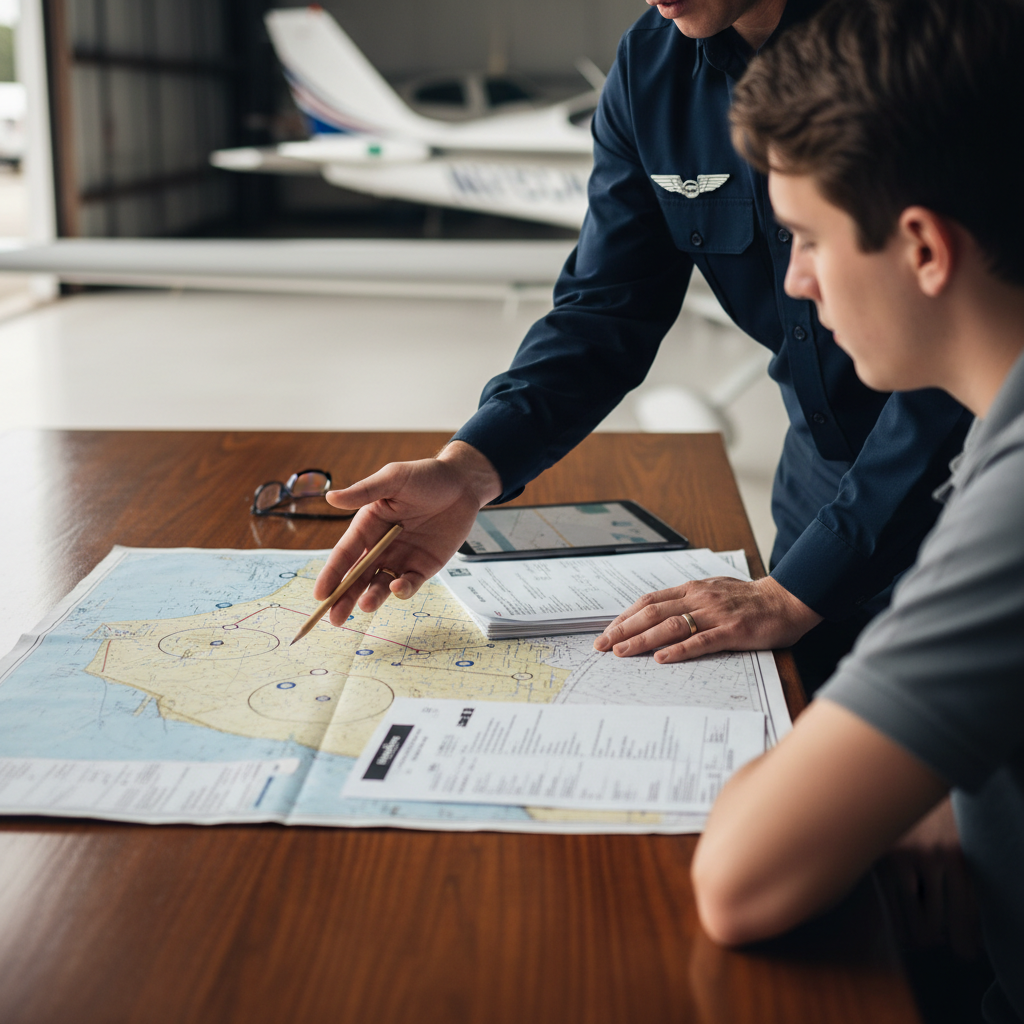
Additionally, consider the student-to-instructor ratio. A lower ratio often means more personalized attention and a more tailored learning experience, which can be crucial for mastering flying skills.
Facilities and Fleet
The facilities and fleet available at the flight training center are also essential considerations. Visit the center if possible to inspect their facilities and aircraft. A modern fleet with well-maintained aircraft is indicative of a center that prioritizes safety and quality training.
Moreover, check if they offer various types of aircraft for different training phases. Having access to a diverse fleet can enhance your learning experience and better prepare you for various aviation scenarios.

Cost and Financial Assistance
Flight training can be a significant investment, so understanding the costs involved is vital. Request a detailed breakdown of the costs from each center you are considering. This should include tuition, equipment fees, and any additional costs.
Some centers may offer financial assistance or payment plans to help manage the expense. Be sure to inquire about any available scholarships or funding options that may ease the financial burden.
Location and Accessibility
Finally, consider the location and accessibility of the flight training center. Proximity to your home can reduce travel time and expenses, making it easier to attend classes and training sessions regularly.
Pittsburgh has several options to choose from, so evaluate how the location fits into your daily schedule and overall lifestyle. Accessibility can play a significant role in ensuring consistent attendance and progress in your training.